
Myth-Busting Blower Door Testing: Common Misconceptions Explained
Understanding Blower Door Testing
Blower door testing is often shrouded in mystery and misconceptions. Many homeowners and builders are unsure about its purpose and process. At its core, blower door testing is a method used to measure the airtightness of buildings. This test is crucial for identifying air leaks and ensuring energy efficiency.
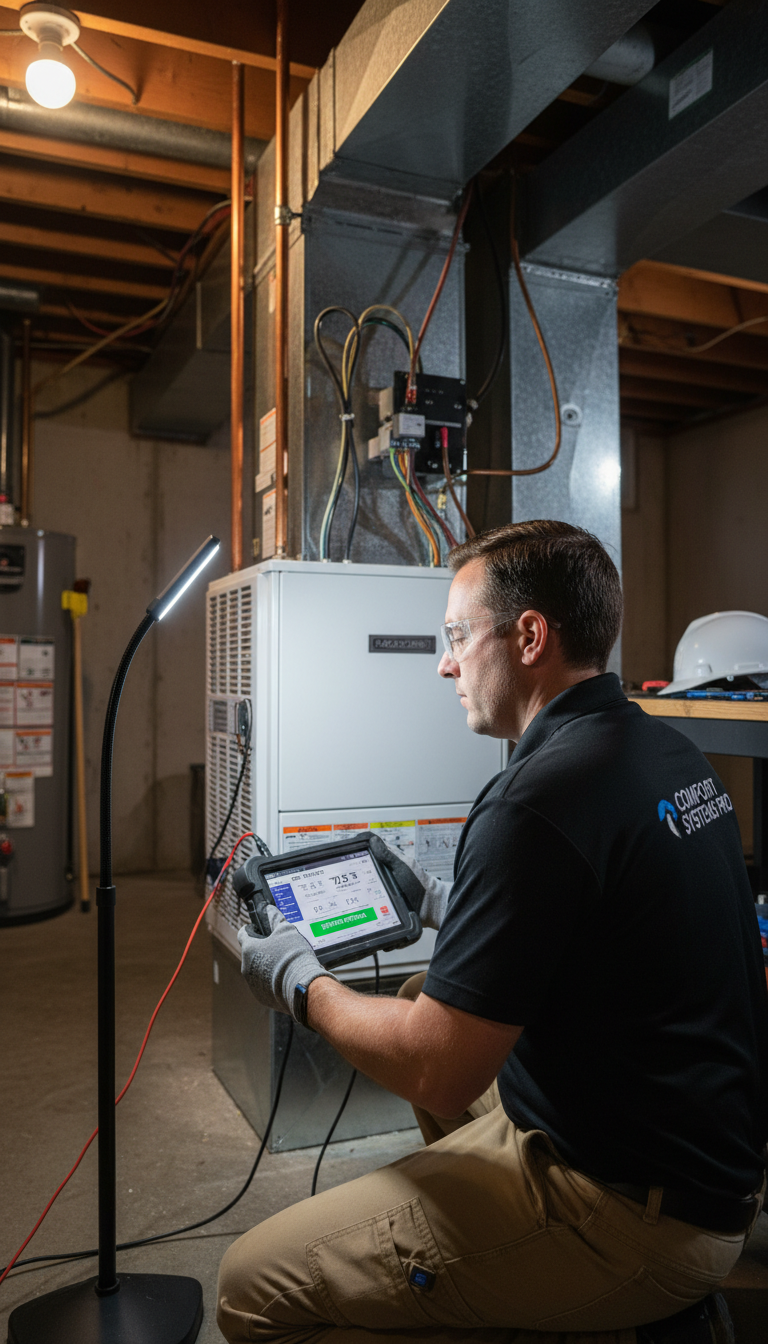
Myth 1: Blower Door Testing is Only for New Buildings
One common misconception is that blower door testing is exclusively for new constructions. While it's a valuable tool during the building process, existing homes can also benefit significantly. Identifying leaks in older buildings can lead to substantial energy savings and improved comfort.
Myth 2: The Test is Invasive and Damaging
Many fear that blower door testing might cause damage to their property. In reality, the test is non-invasive. A large fan is temporarily sealed into an exterior door frame to pressurize or depressurize the home, allowing technicians to detect leaks without any structural impact.
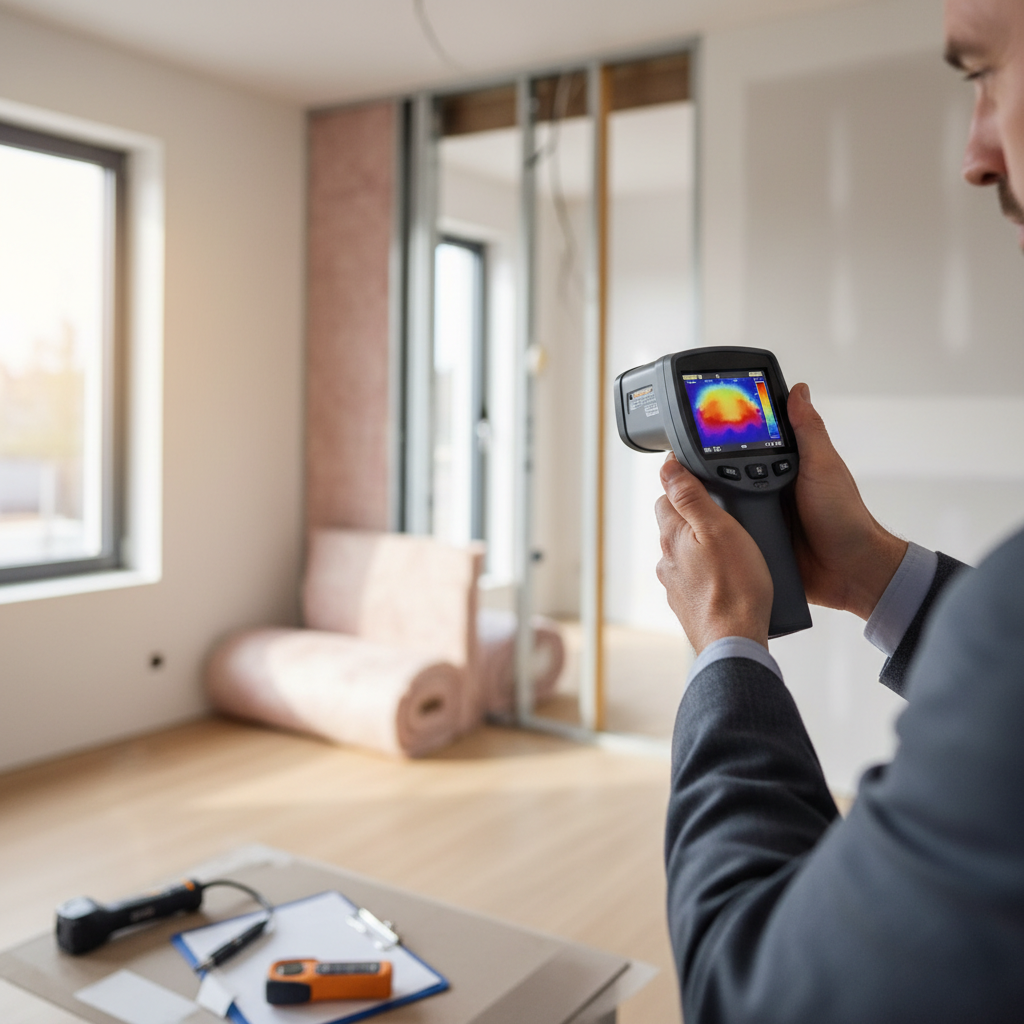
Myth 3: It's Only About Energy Efficiency
While energy efficiency is a primary focus, blower door testing also enhances indoor air quality. By identifying and sealing leaks, homeowners can prevent pollutants and allergens from entering the home. This leads to a healthier living environment.
The Process of Blower Door Testing
Understanding the blower door testing process can alleviate many concerns. The procedure typically involves the following steps:
- Preparation: Technicians close all windows and doors and turn off HVAC systems.
- Installation: A blower door frame and fan are installed in an exterior door.
- Measurement: The fan is used to alter air pressure, and sensors measure air leakage.
- Analysis: Data is analyzed to pinpoint areas needing improvement.

Myth 4: The Results Are Hard to Understand
Another misconception is that the results of a blower door test are complex and inaccessible. Technicians provide a detailed yet understandable report, highlighting problem areas and suggesting solutions. This empowers homeowners to make informed decisions about improvements.
Myth 5: It's Too Expensive to Be Worthwhile
Cost is often a concern, but the long-term savings in energy bills can outweigh initial expenses. Moreover, many local governments offer incentives and rebates for energy efficiency improvements, making the process more affordable.
In conclusion, blower door testing is a beneficial tool for both new and existing buildings. By dispelling these common myths, homeowners and builders can better appreciate its value in enhancing energy efficiency and indoor air quality.