
How to Improve Home Efficiency: DIY Tips from Bethlehem Experts
Understanding Home Efficiency
Improving home efficiency is essential for reducing energy costs and creating a more sustainable living environment. By implementing some simple DIY tips, you can make your home more energy-efficient and comfortable. Experts from Bethlehem have shared their insights to help you make these changes effectively.
Home efficiency involves optimizing your heating, cooling, lighting, and electrical systems. It's about ensuring that your home uses less energy without sacrificing comfort or convenience. Let's explore some practical ways to achieve this.

Insulating Your Home
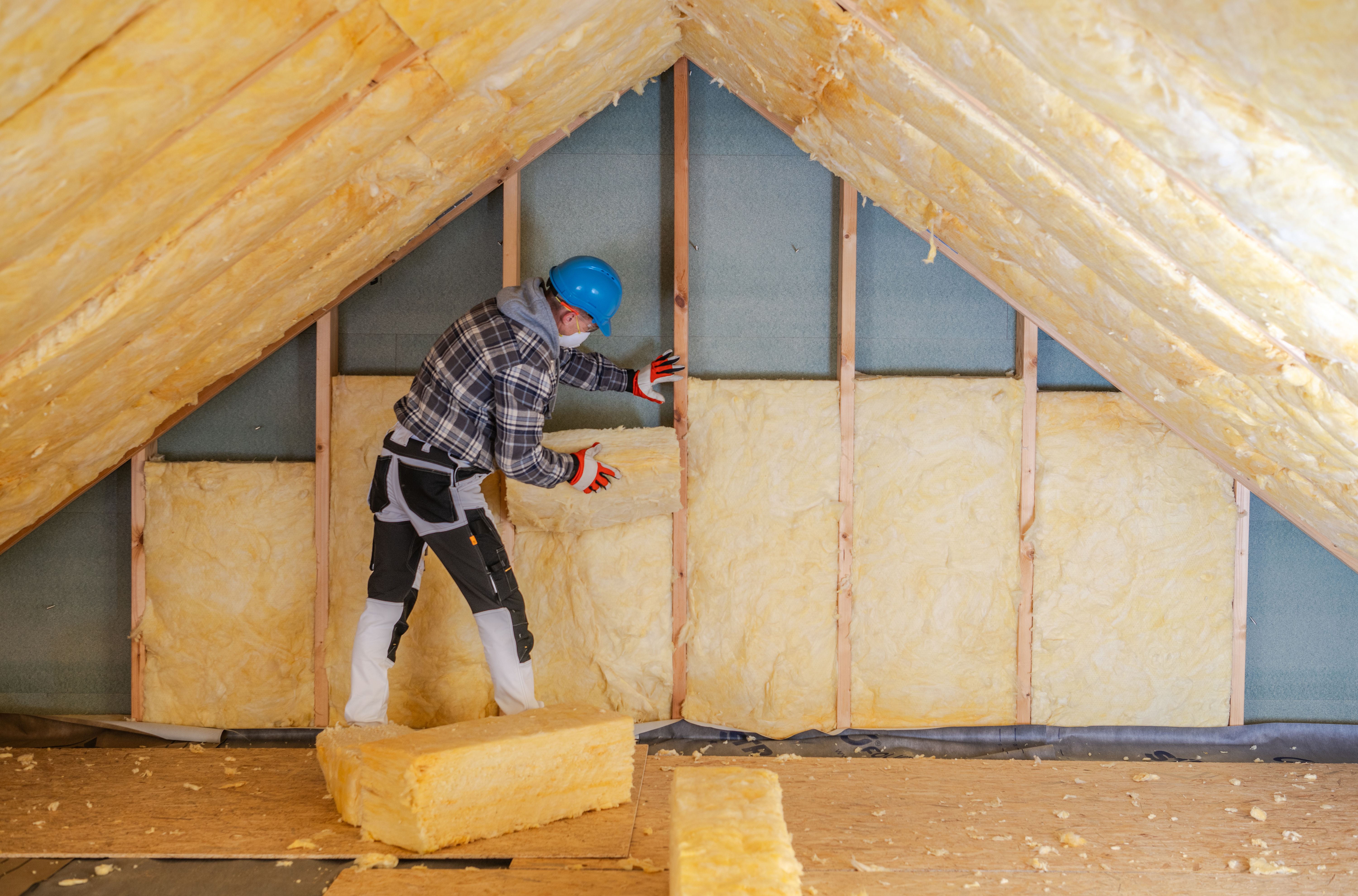
Insulation plays a crucial role in maintaining a comfortable temperature inside your home. Proper insulation can significantly reduce heating and cooling costs by minimizing heat transfer. If your home is older, consider adding insulation to your attic, walls, and floors.
Choosing the Right Materials
Selecting the right insulation materials is essential. Options like fiberglass, foam board, and spray foam offer varying benefits, so choose according to your specific needs. For DIY enthusiasts, installing fiberglass batts is typically manageable and cost-effective.
Optimizing Lighting
Lighting is another area where you can improve efficiency. Replacing incandescent bulbs with LED lights can drastically reduce energy consumption. LEDs use up to 75% less energy and last significantly longer.
Smart Lighting Solutions
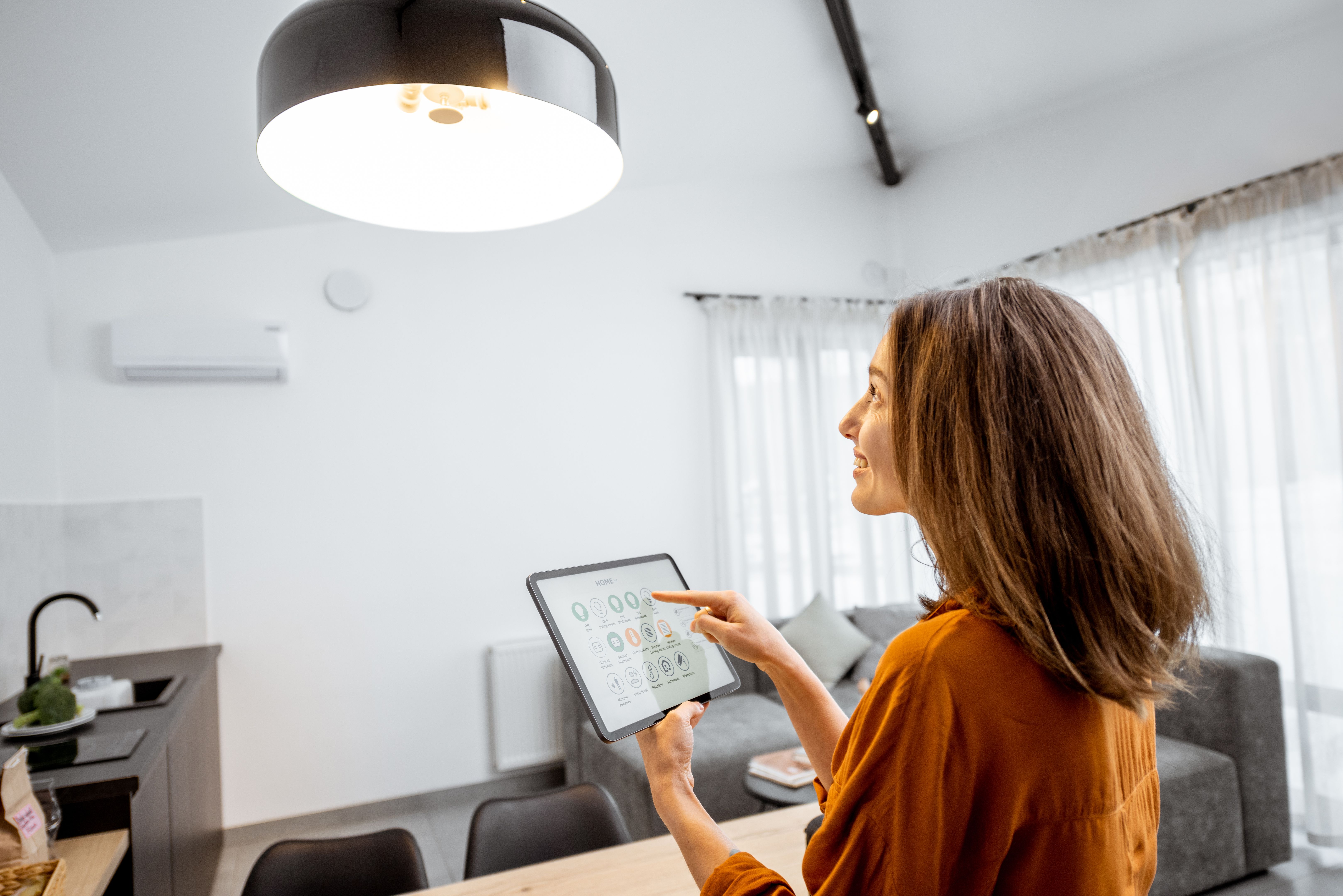
Consider using smart lighting systems that can be controlled remotely. This allows you to turn off lights when not needed, further enhancing efficiency. Motion sensors are another great option for areas like hallways and bathrooms.
Improving Heating and Cooling
Your HVAC system is a major energy consumer. Ensuring it's running efficiently can save you a lot on energy bills. Regular maintenance, such as changing filters and cleaning ducts, is vital.
Using Programmable Thermostats
Installing a programmable thermostat can optimize your heating and cooling schedules. Set temperatures lower when you're away and warmer when you're home. This simple change can lead to significant savings.
Sealing Leaks
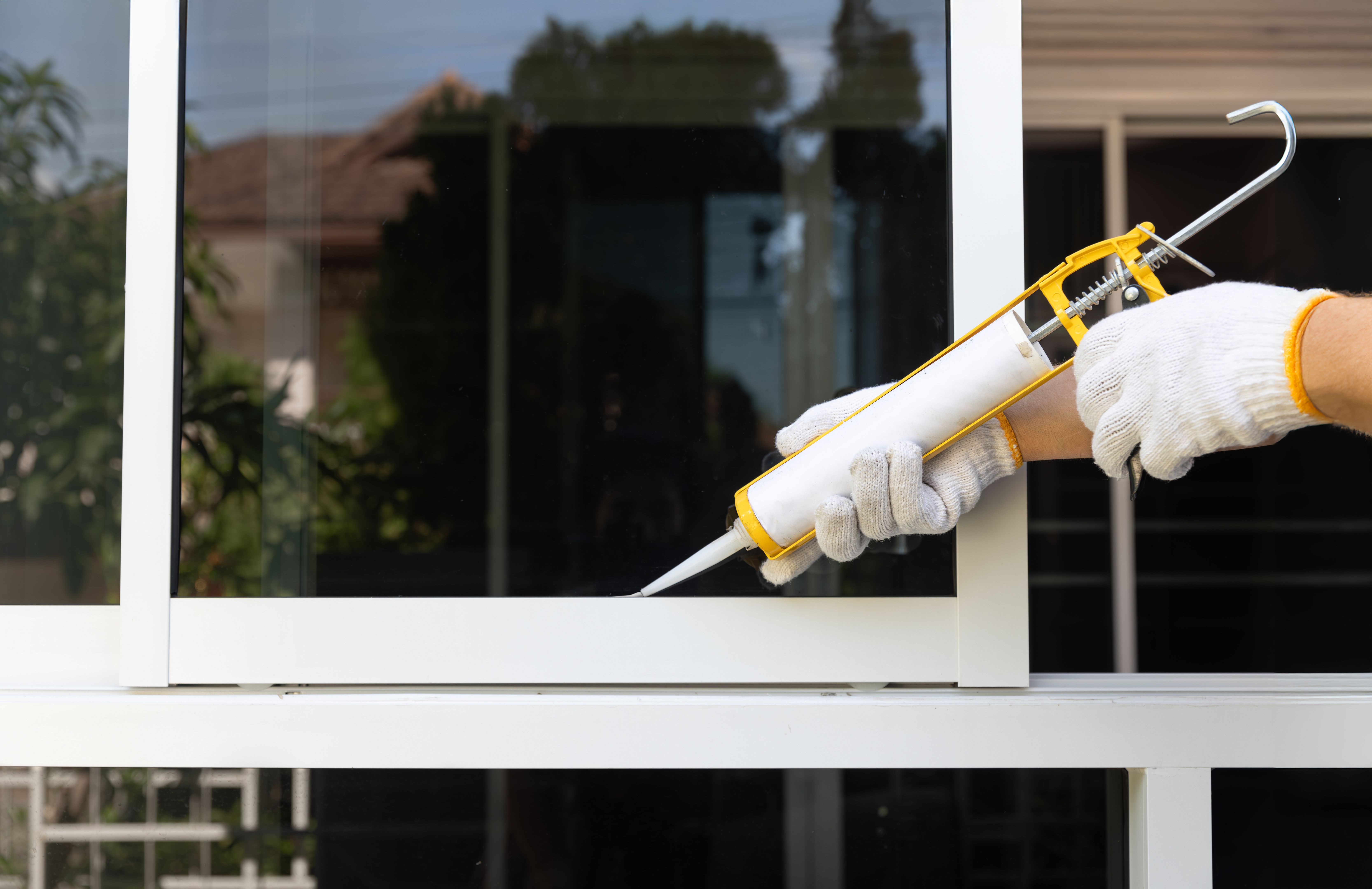
Air leaks can undermine your home’s efficiency. Inspect areas around windows, doors, and electrical outlets for drafts. Sealing these leaks with weatherstripping or caulk can prevent energy waste.
Focus on Windows
Windows are common culprits for air leaks. Double-check seals and consider adding storm windows for better insulation. If you’re looking for a more extensive solution, energy-efficient window replacements might be worth the investment.
Utilizing Renewable Energy
Finally, consider integrating renewable energy sources like solar panels. While this is a more significant investment, it can lead to substantial long-term savings and reduce your carbon footprint.
By following these expert tips from Bethlehem, you can enhance your home’s efficiency, reduce energy costs, and contribute to a more sustainable environment. Start with small changes and gradually implement more complex solutions to see the best results.