How Blower Door Air Tightness Testing Enhances Energy Efficiency in PA Homes
Understanding Blower Door Air Tightness Testing
Blower door air tightness testing is a crucial method used to assess how well-sealed a home is against air leaks. This process involves using a powerful fan mounted in a frame placed in an exterior door. The fan pulls air out of the house, lowering the air pressure inside. The higher outside air pressure then flows in through all unsealed cracks and openings, allowing for the detection of leaks.
In Pennsylvania, where energy efficiency is a growing concern, this testing is becoming increasingly popular among homeowners. By identifying areas where air leakage occurs, homeowners can make informed decisions about necessary renovations or improvements.
Why Air Tightness Matters
Air tightness is a significant factor in a home's energy efficiency. Homes with poor air tightness often experience higher energy bills due to heat loss in the winter and heat gain in the summer. By ensuring your home is well-sealed, you can reduce the workload on your heating and cooling systems, ultimately saving money and energy.
Furthermore, proper air tightness contributes to improved indoor air quality. It helps prevent outdoor pollutants, allergens, and moisture from entering the home, leading to a healthier living environment.
Benefits of Blower Door Testing
The benefits of blower door testing are numerous. Here are some key advantages:
- Energy Savings: Identifying and sealing leaks can significantly reduce energy consumption.
- Enhanced Comfort: A tightly sealed home maintains a more consistent indoor temperature.
- Improved Air Quality: Reduces entry of pollutants and allergens.

How the Testing Process Works
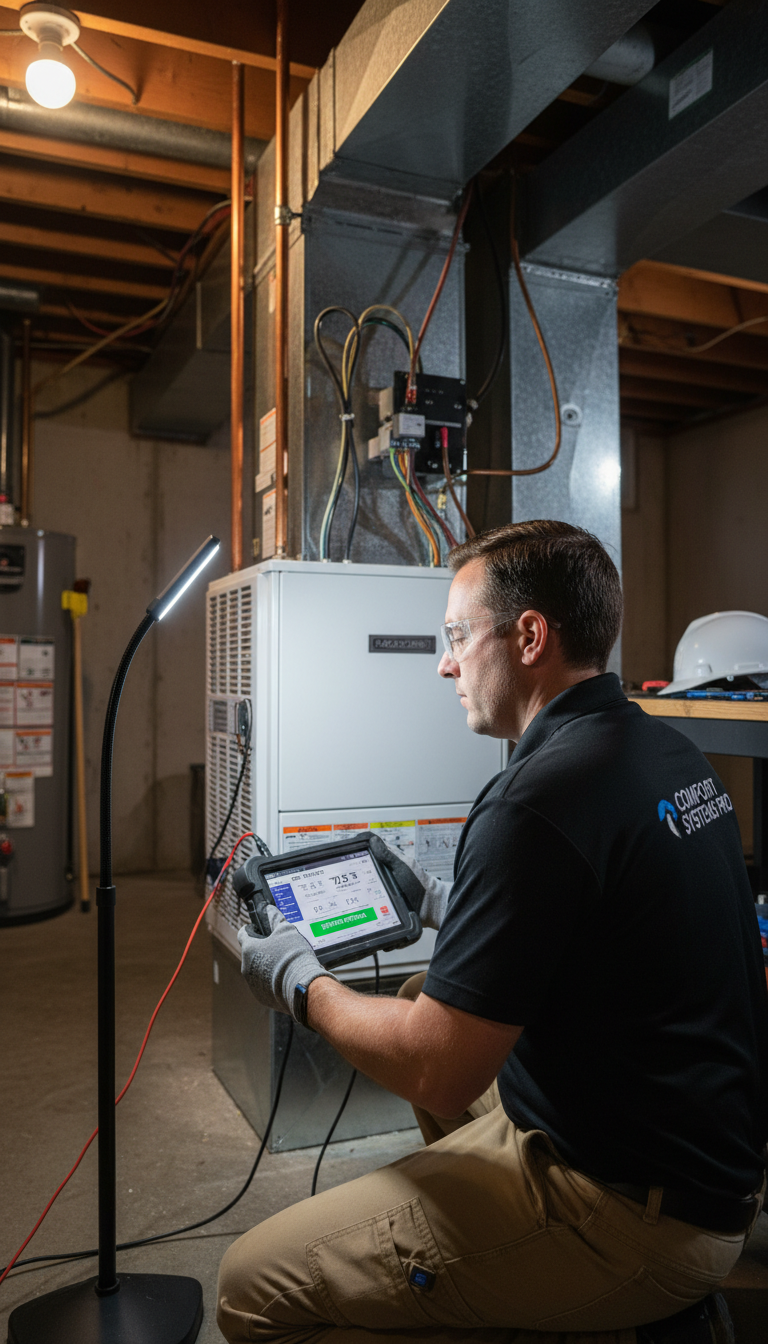
The blower door test is typically conducted by a certified professional. The process starts with the installation of the blower door fan in an exterior door frame. Once the house is depressurized, the specialist uses tools like smoke pencils or infrared cameras to locate leaks.
After identifying the problem areas, the professional will provide a detailed report, often including recommendations for improvements. This report is invaluable for homeowners looking to enhance their home's energy efficiency.
What Homeowners in PA Should Know
Pennsylvania homeowners should be aware that local building codes and energy efficiency programs often encourage or even require blower door testing. Participating in state or federal energy efficiency programs can sometimes offer incentives or rebates for making the recommended improvements after testing.

Steps to Improve Air Tightness
Once leaks are identified, homeowners can take several steps to improve their home's air tightness:
- Seal Windows and Doors: Use weatherstripping and caulk to seal gaps around windows and doors.
- Insulate Attics and Basements: Proper insulation in these areas can prevent significant energy loss.
- Upgrade to Energy-Efficient Windows: Consider replacing old windows with energy-efficient models.
Conclusion
Blower door air tightness testing is an essential step for homeowners in Pennsylvania looking to increase their homes' energy efficiency. By identifying leaks and making the necessary improvements, you can enjoy lower energy bills, a more comfortable living environment, and contribute positively to environmental conservation efforts.