How Airtightness Testing Can Save Energy in Your Bethlehem Home
Understanding Airtightness Testing
Airtightness testing, also known as air leakage testing, is an essential process for evaluating how well a home is sealed against air infiltration. In Bethlehem, where seasonal weather changes can significantly impact energy consumption, ensuring your home is airtight can lead to substantial energy savings.
The test measures the amount of air that leaks in and out of your home, helping homeowners identify areas that need improvement. By addressing these leaks, you can enhance your home's energy efficiency, comfort, and indoor air quality.
How Airtightness Testing Works
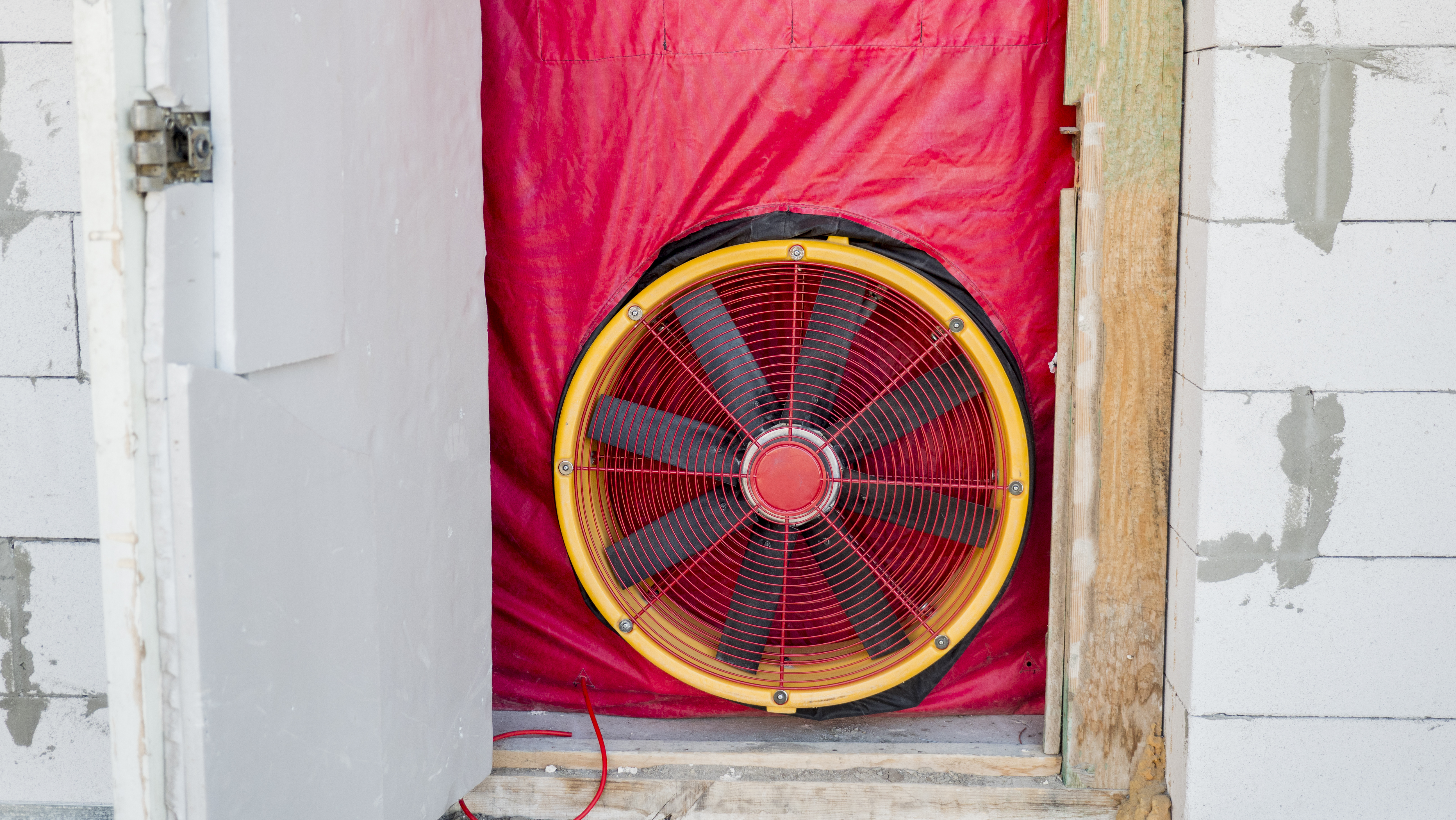
Airtightness testing typically involves using a blower door, a powerful fan mounted in an exterior door frame. The fan pulls air out of the house, creating a pressure difference between the inside and outside. This pressure differential allows technicians to measure the rate of air leakage.
Technicians will use smoke pencils or infrared cameras to identify specific leakage points. Common areas include windows, doors, electrical outlets, and attic hatches. Once these areas are identified, homeowners can take steps to seal them effectively.
Benefits of Airtightness Testing
Energy Savings: Reducing air leaks can lower heating and cooling costs, as your HVAC system won't need to work as hard to maintain a comfortable temperature.
Improved Comfort: Eliminating drafts can create a more consistent indoor temperature, enhancing comfort throughout your home.

Enhanced Indoor Air Quality
Sealing your home properly ensures that air entering your home is filtered through proper ventilation systems, reducing pollutants and allergens. This can be particularly beneficial in urban environments where outdoor air quality may be compromised.
Environmental Impact
By reducing energy consumption, airtightness testing contributes to a smaller carbon footprint. Homes that use less energy are more sustainable and environmentally friendly.
Steps to Improve Airtightness
Once you receive the results from an airtightness test, consider the following steps to improve your home's sealing:
- Seal gaps around windows and doors using weatherstripping or caulking.
- Insulate attic doors and install draft stoppers.
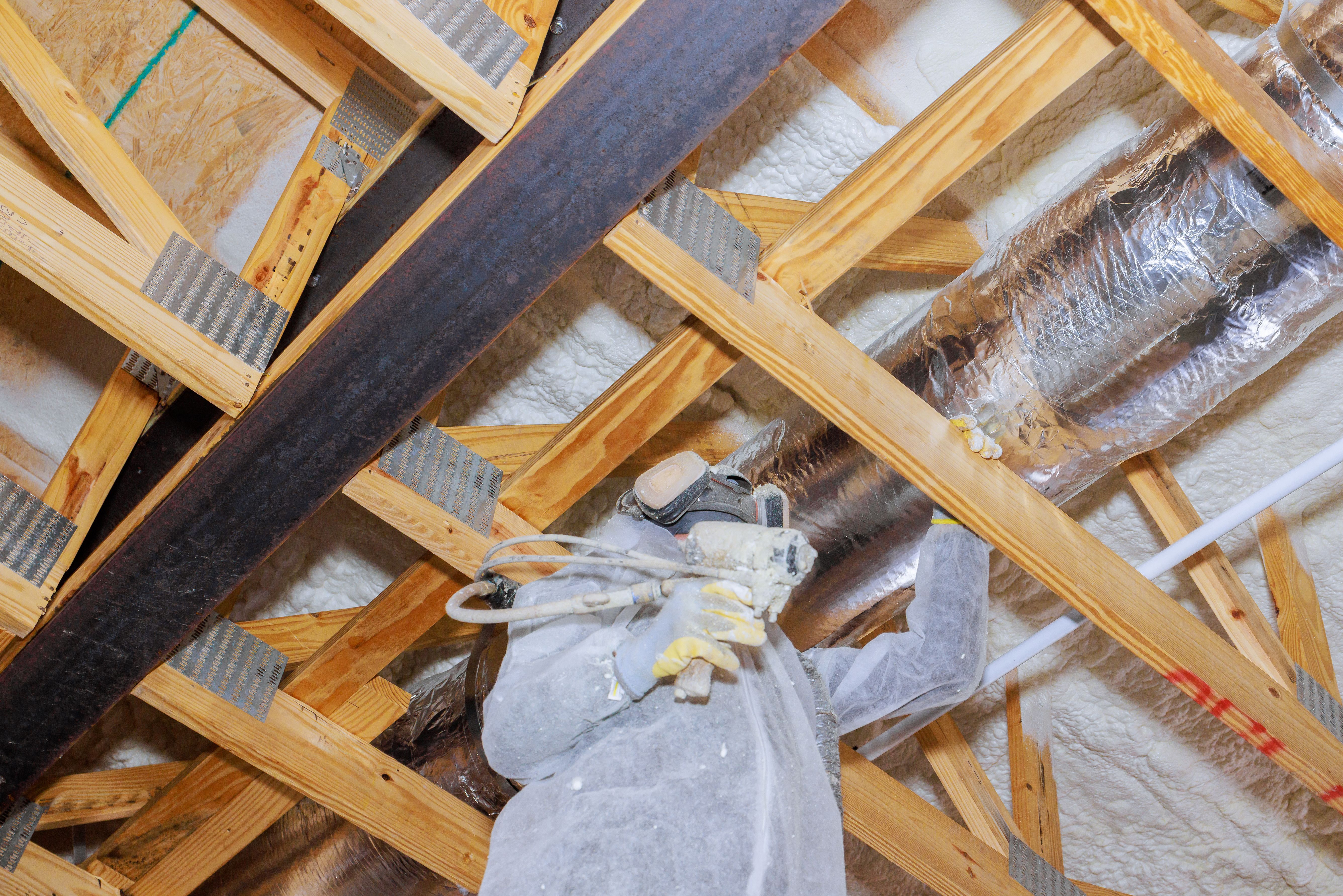
- Use foam sealant for larger gaps and cracks in walls or foundations.
Why Choose Professional Testing?
While DIY methods can help, professional airtightness testing provides a comprehensive analysis of your home's air leakage. Experts use precise tools and techniques to identify even the smallest leaks, ensuring a thorough assessment.
In Bethlehem, where seasonal changes demand efficient heating and cooling, investing in professional testing can provide peace of mind and long-term savings on energy bills.

Conclusion
Investing in airtightness testing is a proactive step towards enhancing your home's energy efficiency, comfort, and environmental impact. By identifying and addressing air leaks, you can enjoy a more comfortable living environment while reducing energy costs. Consider scheduling an airtightness test for your Bethlehem home to start enjoying these benefits today.