
DIY Tips for Improving Home Efficiency Before an Energy Audit
Understanding Home Efficiency
Before scheduling an energy audit, it’s beneficial to take steps to improve your home's efficiency. These DIY improvements can save you money and make your home more comfortable. In this guide, we'll explore several practical tips to enhance home efficiency.
Improving your home’s efficiency involves identifying areas where energy is wasted. This can include everything from drafty windows to inefficient lighting. By addressing these issues, you can reduce your energy consumption and lower your utility bills.
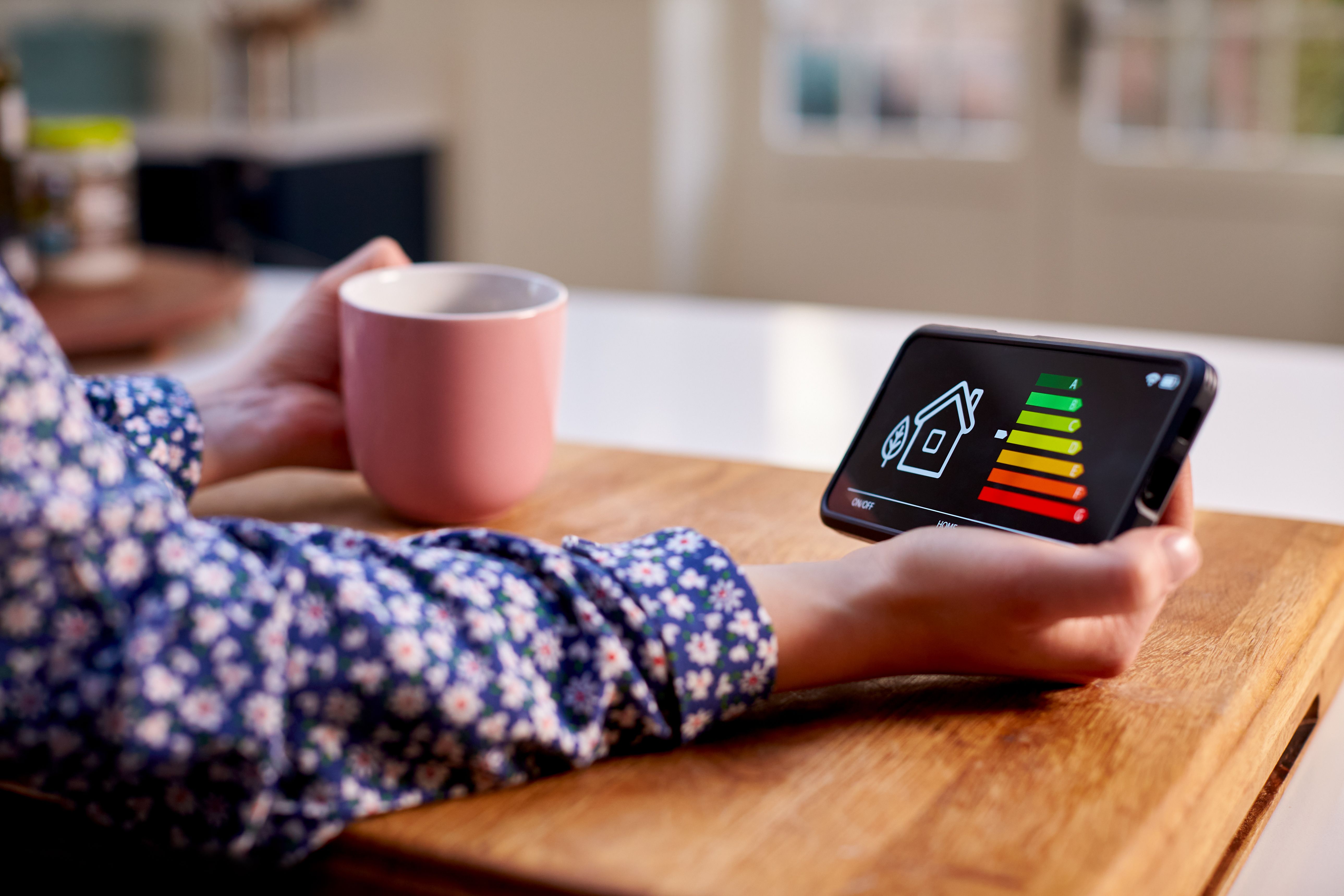
Seal Air Leaks
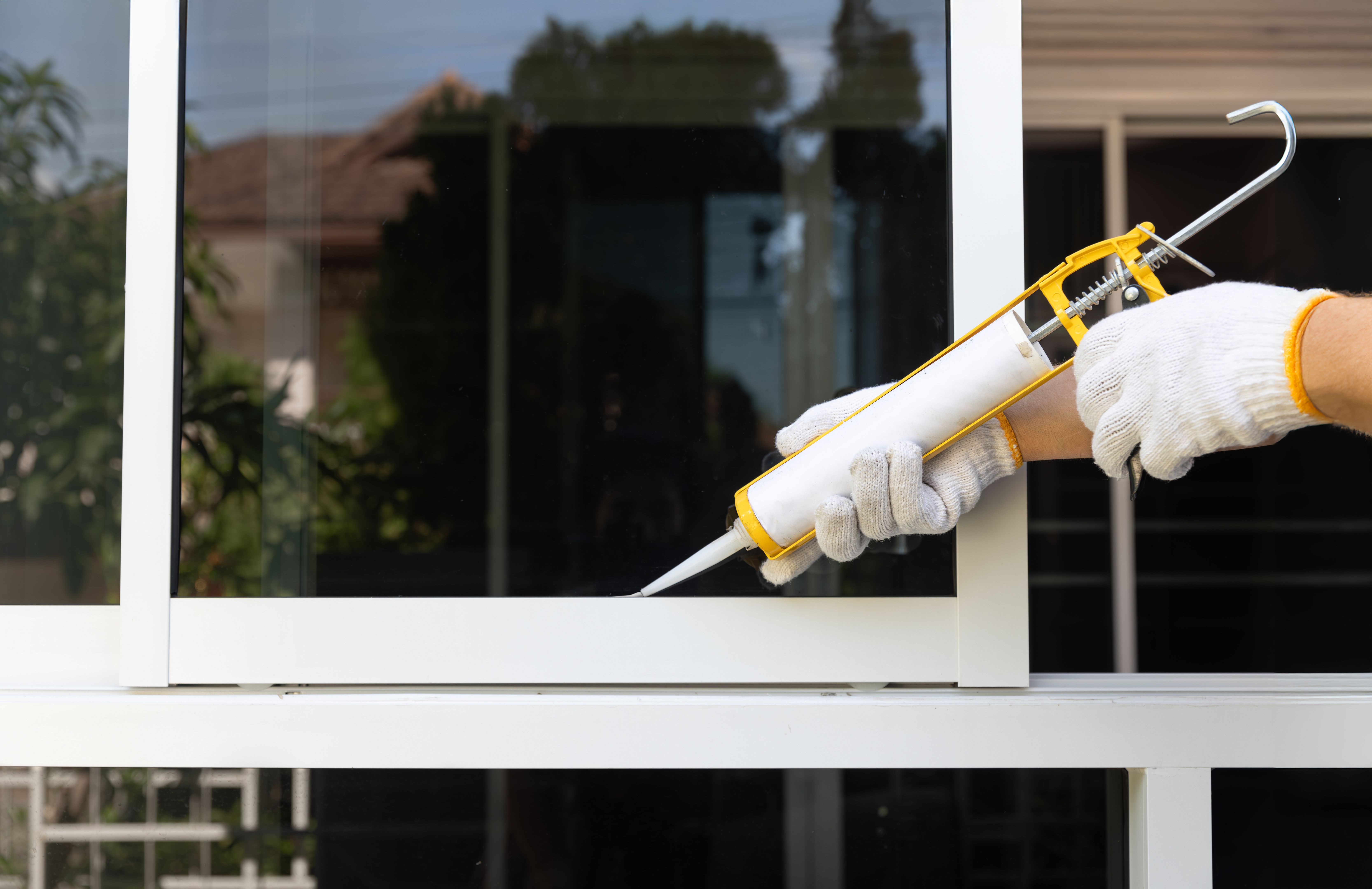
Air leaks are a common source of energy loss in many homes. To identify leaks, check around windows, doors, and other openings for drafts. Use weatherstripping or caulking to seal these areas effectively. This simple step can significantly enhance your home's insulation.
In addition, inspect your attic and basement for any gaps or openings. These areas are often overlooked but can contribute to substantial energy loss if not properly sealed. Consider using spray foam or insulation to close these gaps.
Upgrade Insulation
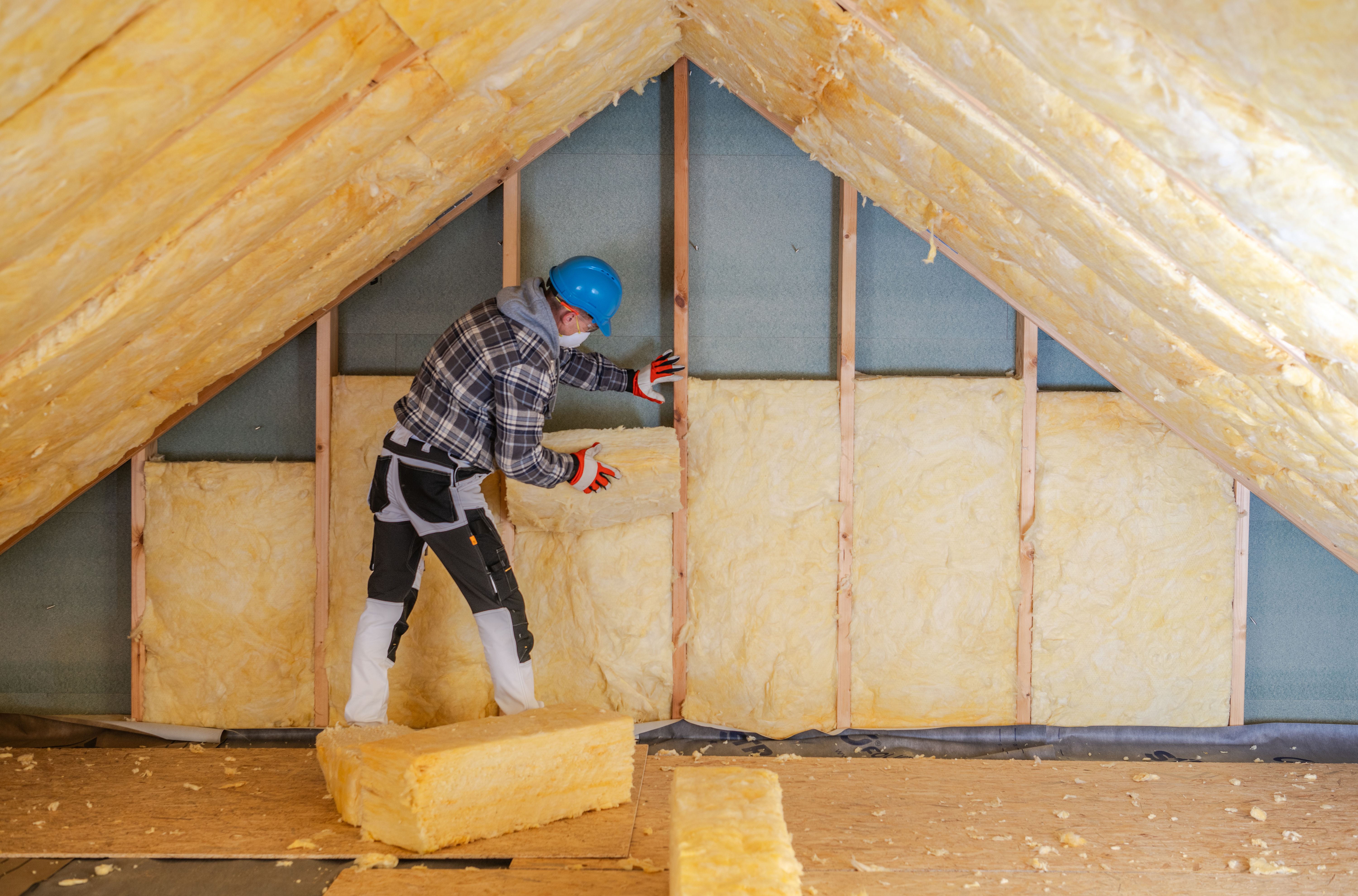
Proper insulation is key to maintaining a consistent indoor temperature. Check your home’s current insulation and consider upgrading if it's outdated or insufficient. Focus on areas like the attic, walls, and floors, as these can have the most impact on energy efficiency.
Adding insulation can help keep your home warm in the winter and cool in the summer, reducing the load on your heating and cooling systems. This improvement not only boosts efficiency but also enhances comfort throughout your living space.
Optimize Lighting
Switching to energy-efficient lighting is an easy and effective way to reduce energy consumption. Consider replacing traditional incandescent bulbs with LED or CFL bulbs. These options use less energy and last longer, providing a quick return on investment.
- Install dimmer switches to adjust lighting levels according to your needs.
- Utilize natural light during the day by opening curtains and blinds.
Maintain HVAC Systems
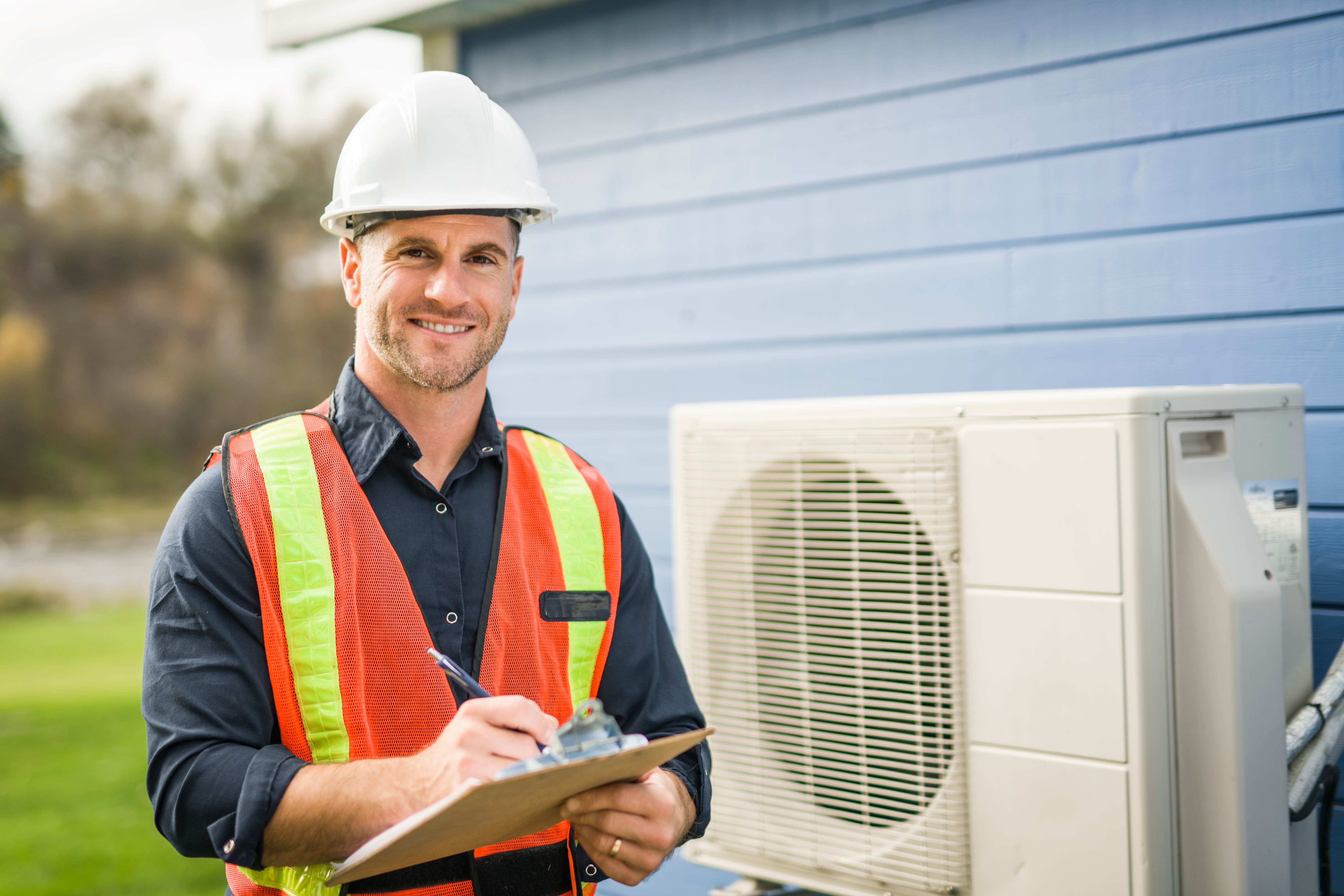
Your heating, ventilation, and air conditioning (HVAC) system plays a crucial role in home efficiency. Regular maintenance can ensure it operates at peak performance. Change air filters every 1-3 months and schedule annual professional inspections.
Consider upgrading to a programmable thermostat to better control your home's temperature settings. This allows you to reduce energy use when you're not home, further enhancing efficiency.
Reduce Water Heating Costs
Water heating can account for a significant portion of your energy bills. Lower the thermostat on your water heater to 120°F to save energy without sacrificing comfort. Additionally, insulate your water heater and hot water pipes to minimize heat loss.
- Install low-flow showerheads and faucets to reduce water usage.
- Consider upgrading to a tankless water heater for greater efficiency.
Conclusion
By implementing these DIY tips, you can make your home more energy-efficient before an energy audit. These improvements not only lower your energy bills but also create a more comfortable and sustainable living environment. Start today and enjoy the benefits of a more efficient home.