
A Comprehensive Guide to Blower Door Testing in Bethlehem
Blower door testing is an essential method for assessing the airtightness of buildings, helping homeowners and contractors in Bethlehem identify air leaks and improve energy efficiency. This process is crucial for ensuring that a building performs optimally, reducing energy bills and enhancing indoor comfort.
What is Blower Door Testing?
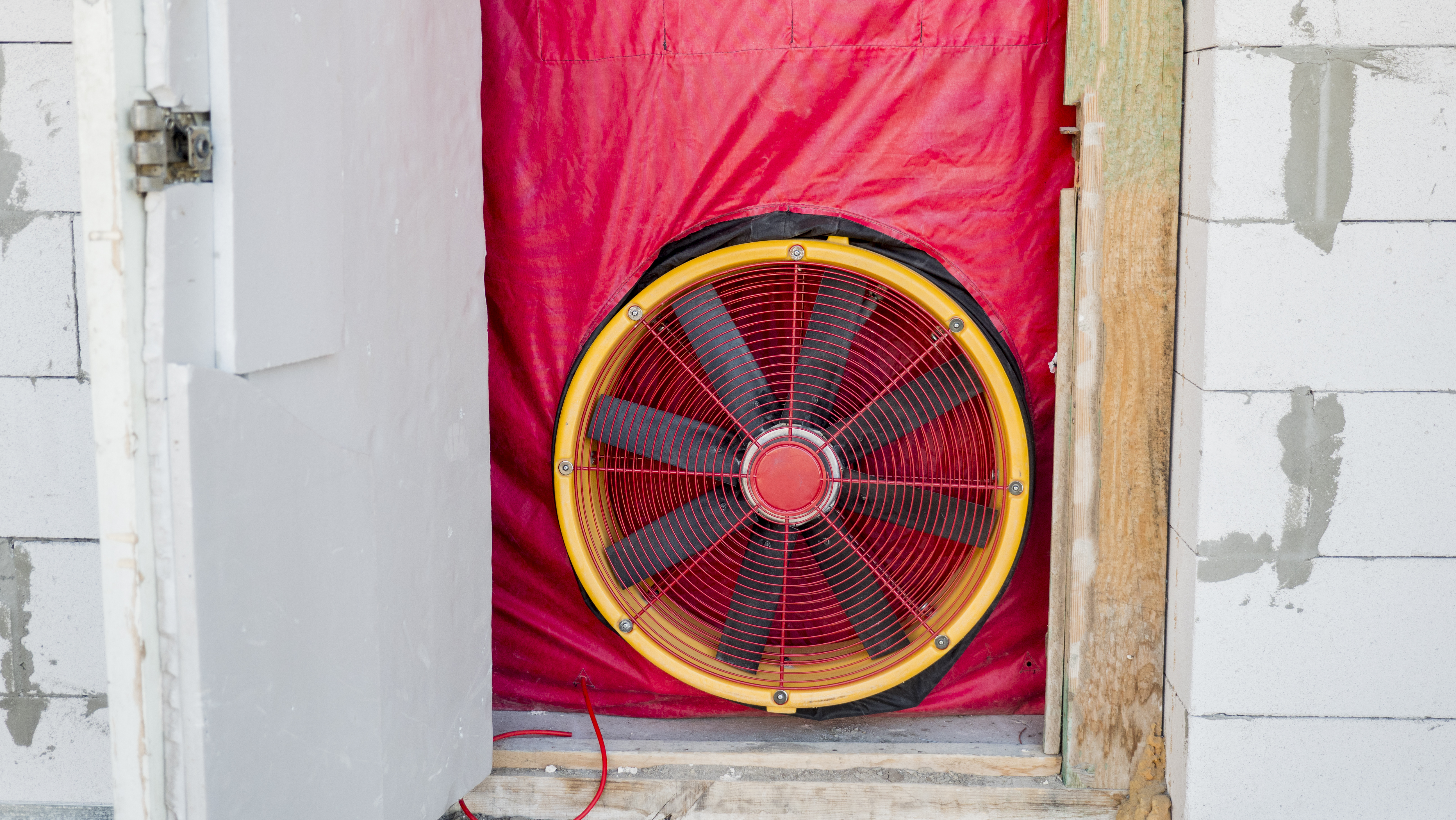
Blower door testing involves using a powerful fan mounted in a door frame to depressurize a building. This allows professionals to measure how much air leaks out of the structure and identify areas where insulation may be compromised. By quantifying air leakage, homeowners can target specific areas for improvement, leading to better energy efficiency.
Typically, a blower door test is conducted by a certified technician who will provide a detailed report on the building's performance. This information is invaluable for making informed decisions about necessary upgrades and repairs.
Why is Blower Door Testing Important?
Considering the climate in Bethlehem, blower door testing is particularly beneficial. The city experiences both cold winters and hot summers, making it essential to maintain a well-insulated home. Proper insulation helps in keeping heating and cooling costs down while ensuring a comfortable living environment.

Additionally, blower door testing is often a requirement for obtaining energy efficiency certifications. These certifications can increase a property's value and appeal in the real estate market, making it a wise investment for homeowners.
The Blower Door Test Process
The blower door test process begins with sealing all external openings, such as windows and doors, to ensure accurate results. The technician then sets up the blower door apparatus, which includes a frame, fan, and a pressure gauge. Once the fan is activated, it creates a slight vacuum, allowing the technician to measure the rate of air infiltration.
- Preparation: Sealing all external openings.
- Setup: Installing the blower door apparatus.
- Testing: Activating the fan to create a vacuum.
- Analysis: Measuring air infiltration and identifying leaks.
Interpreting the Results
The results from a blower door test are typically presented in air changes per hour (ACH). A lower ACH value indicates a more airtight building. In Bethlehem, an ACH of 3 or lower is often considered efficient for new homes.
Homeowners receive a detailed report that outlines specific areas where air is leaking. Common culprits include windows, doors, and poorly insulated attics or basements. Addressing these issues can lead to significant improvements in energy efficiency.

Benefits of Blower Door Testing
Beyond energy savings, blower door testing can enhance indoor air quality by reducing drafts and preventing moisture intrusion, which can lead to mold growth. It also contributes to environmental sustainability by lowering a building's carbon footprint.
For contractors and builders, blower door testing is a valuable tool for ensuring that construction meets energy codes and standards. It provides a benchmark for quality assurance and can be used to validate the performance of energy-efficient building practices.
Conclusion
Blower door testing is a critical step in optimizing a building's energy performance, particularly in a diverse climate like Bethlehem's. By identifying and addressing air leaks, homeowners can enjoy reduced energy costs, improved comfort, and a healthier living environment. Whether you are building a new home or upgrading an existing one, incorporating blower door testing into your energy efficiency strategy is a smart move.